What is the best action camera?
A comprehensive comparison of the top action cameras on the market, evaluating video quality, stabilization, durability, and value to help you capture your adventures with crystal-clear footage.
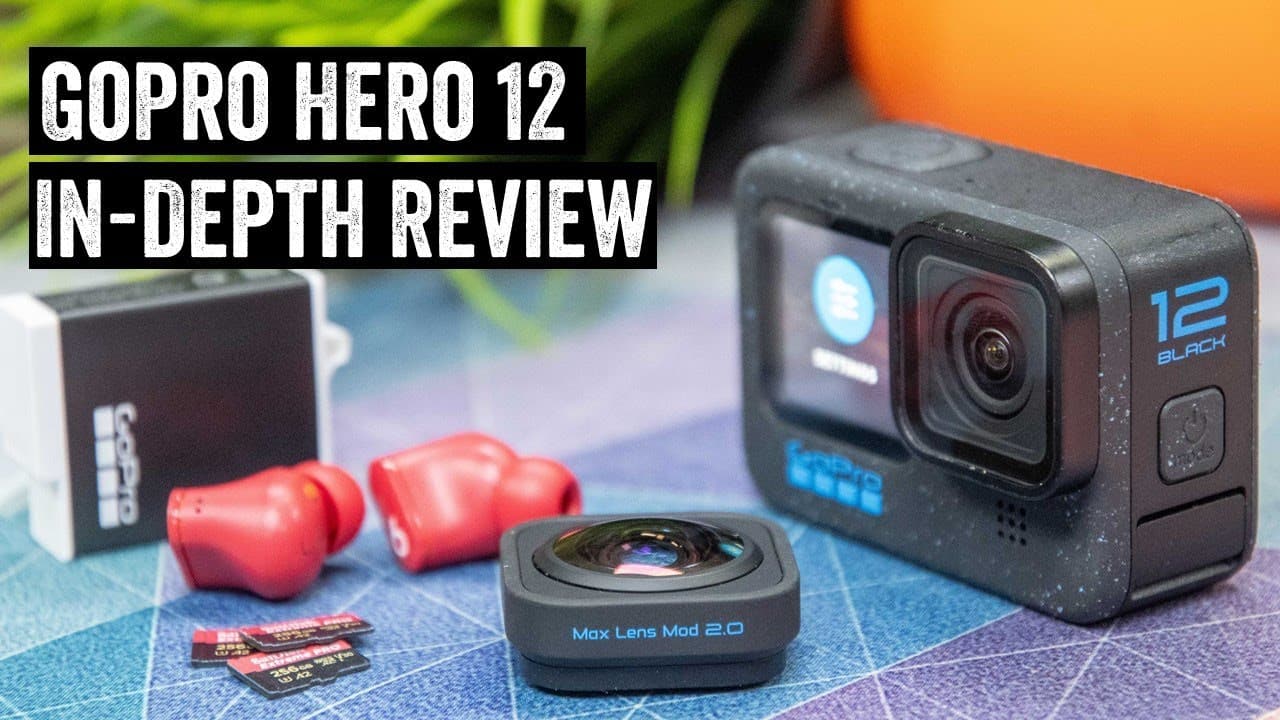
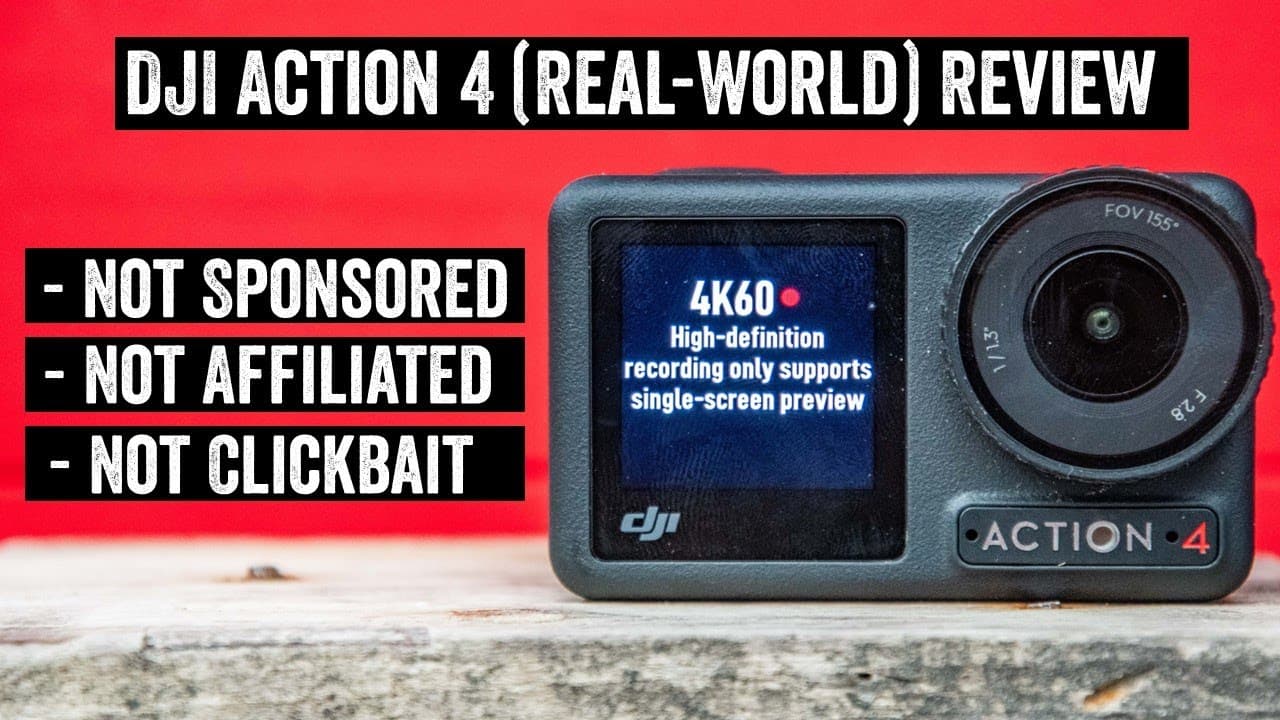
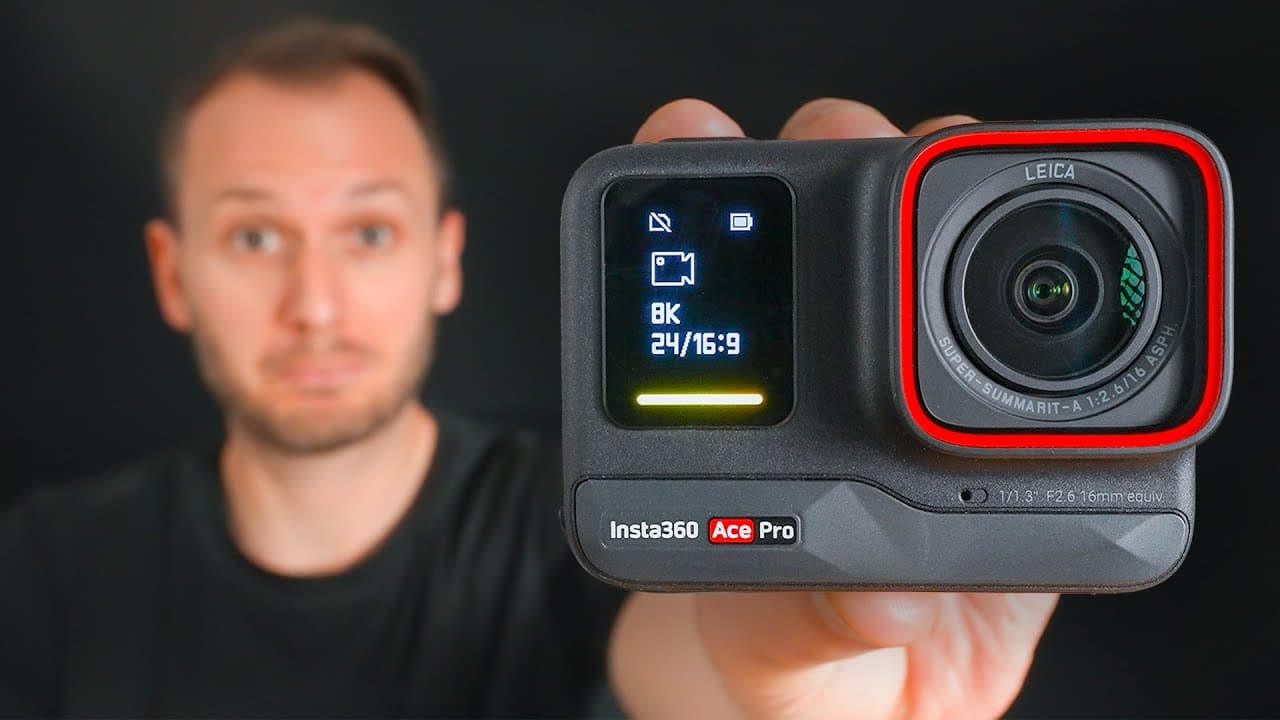
After extensive analysis, the GoPro Hero 12 Black emerges as the overall best action camera with its superior video quality, excellent stabilization, and robust feature set. However, the DJI Osmo Action 4 offers compelling competition with its larger sensor and impressive low-light performance, while the Insta360 Ace Pro provides unique AI-powered features that content creators will appreciate.
Pros
- NPRO
Comprehensive GoPro app integration
The GoPro Quik app offers intuitive editing tools, automatic cloud backup, and seamless wireless transfer capabilities for easy content management.
- LPRO
Exceptional 5.3K resolution
Records stunning 5.3K video at 60fps with HDR support, producing crisp, detailed footage with accurate colors and excellent dynamic range.
- CPRO
Best-in-class HyperSmooth 6.0
The HyperSmooth 6.0 technology delivers remarkably smooth footage even in high-motion scenarios, effectively eliminating shake without requiring a gimbal.
Cons
- SCON
Higher price than competitors
At $399 for the camera alone, the Hero 12 Black represents a significant investment compared to capable alternatives in the market.
- PCON
Battery drains quickly at high settings
Recording at 5.3K/60fps significantly reduces battery life to approximately 45 minutes, requiring multiple batteries for extended shooting sessions.
Pros
- DPRO
18-meter waterproof depth
Rated to 18 meters without additional housing, the Osmo Action 4 offers excellent underwater capability for diving and water sports.
- EPRO
Long-lasting 160-minute recording
The 1770mAh battery provides up to 160 minutes of continuous recording, significantly outperforming most competitors.
- MPRO
Superior 1/1.3-inch sensor
The large 1/1.3-inch sensor captures 10 times more light than standard action cameras, producing clean footage in challenging lighting conditions.
Cons
- LCON
Fewer third-party accessories
The DJI ecosystem has fewer third-party accessory options compared to GoPro, potentially limiting mounting and expansion possibilities.
- CCON
No 5.3K support
Unlike the GoPro Hero 12, the Osmo Action 4 is limited to 4K maximum resolution, which may matter for users seeking the highest video quality.
Pros
- SPRO
Convenient vlogging screen
The 2.4-inch flip-up touchscreen makes framing shots for vlogs and selfie content significantly easier compared to fixed-screen competitors.
- PPRO
Highest resolution in class
Captures video at up to 8K resolution, providing exceptional detail and flexibility for cropping and post-production editing.
- NPRO
Smart recording capabilities
Features AI-powered gesture control, auto-framing, and intelligent scene recognition that automatically adjusts settings for optimal footage.
Cons
- ECON
Steeper learning curve
The Insta360 app offers extensive features but can be overwhelming for new users compared to simpler competitor apps.
- MCON
Premium pricing at $449
The Ace Pro sits at the higher end of the action camera market, which may be difficult to justify for casual users.
Frequently Asked Questions
For most users, 4K at 60fps provides an excellent balance of quality and versatility. If you plan to crop footage in post-production or want future-proofing, consider cameras with 5.3K or higher resolution. However, higher resolutions require more storage space and processing power for editing.
Stabilization is one of the most critical features for action cameras since they are typically used during movement and sports. Electronic Image Stabilization (EIS) is standard on most cameras, but premium models offer advanced systems like HyperSmooth or RockSteady that provide gimbal-like smoothness without additional equipment.
It depends on your intended use. Most action cameras are waterproof to at least 10 meters without a housing, which is sufficient for swimming and rain. For scuba diving or deep water activities, look for cameras with deeper ratings or underwater housings that can extend protection to 40-60 meters.
Battery life varies significantly by model and recording settings. Most action cameras provide 50-160 minutes of continuous recording. Recording at higher resolutions and frame rates drains the battery faster. For extended sessions, consider purchasing extra batteries or using external power options.
Budget action cameras like the AKASO Brave 7 LE offer good value for casual users and beginners. While they cannot match premium cameras in stabilization, low-light performance, and overall video quality, they provide adequate 4K recording and useful features like dual screens at a fraction of the cost.