What is the best coffee grinder?
A comprehensive comparison of the top coffee grinders for home use in 2024, from electric burr grinders to manual options. We evaluated grind consistency, versatility, ease of use, and value to help you find the perfect grinder for your brewing needs.
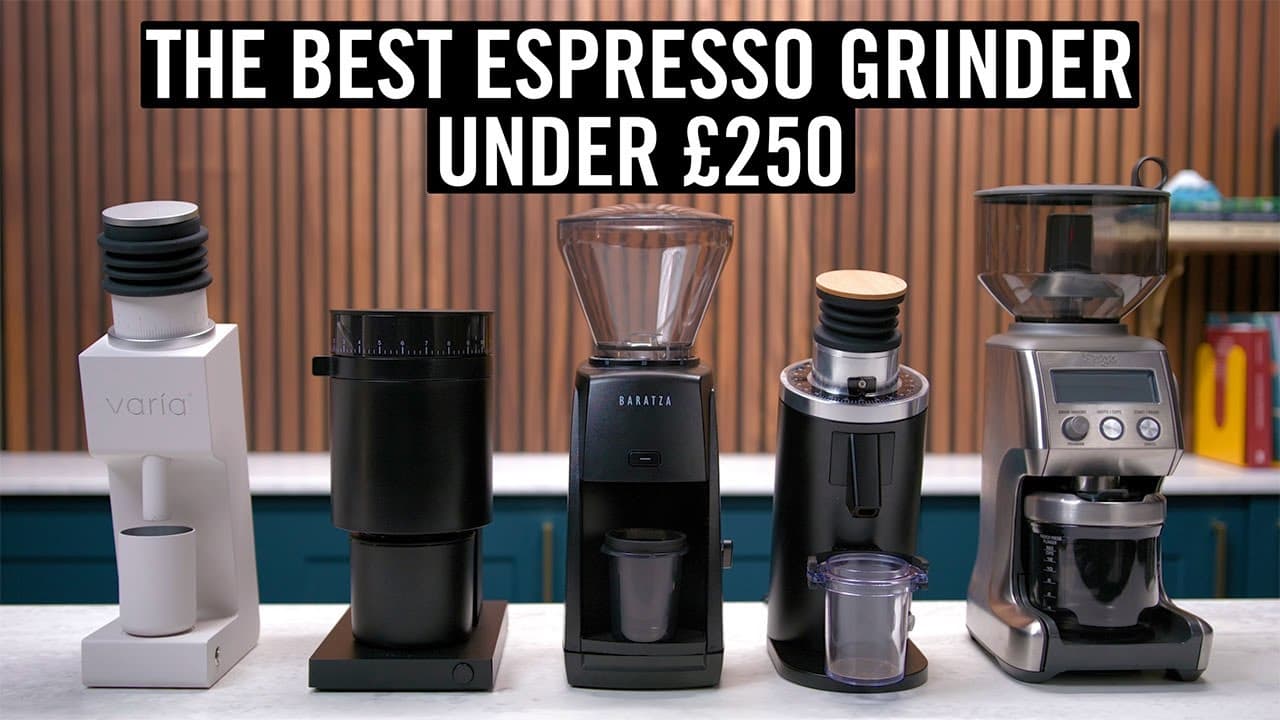
The Baratza Encore ESP emerges as our top pick for most home coffee enthusiasts, offering exceptional grind consistency for espresso and filter brewing at a reasonable price. For pour-over purists, the Fellow Ode Gen 2 delivers unmatched precision. Budget-conscious buyers will find excellent value in the OXO Brew Conical Burr Grinder, while the Timemore Chestnut C2 offers premium manual grinding for travelers and minimalists.

Pros
- PPRO
Wide Grind Range
The 40 grind settings cover everything from fine espresso to coarse French press, providing versatility for users with multiple brewing methods.
- NPRO
Strong Manufacturer Support
Baratza offers excellent customer service with responsive support and readily available replacement parts, extending the product lifespan significantly.
- LPRO
User-Friendly Interface
Features straightforward dial-based grind adjustment and simple on/off operation, making it accessible for home baristas of all experience levels.
- CPRO
Outstanding Espresso Performance
The ESP model features enhanced grind consistency specifically optimized for espresso, producing uniform particle sizes that extract evenly and deliver rich, balanced shots.
Cons
- SCON
Static Buildup Issues
Like many electric grinders, the Encore ESP can generate static electricity that causes coffee grounds to cling to the bin and surrounding surfaces.
Pros
- NPRO
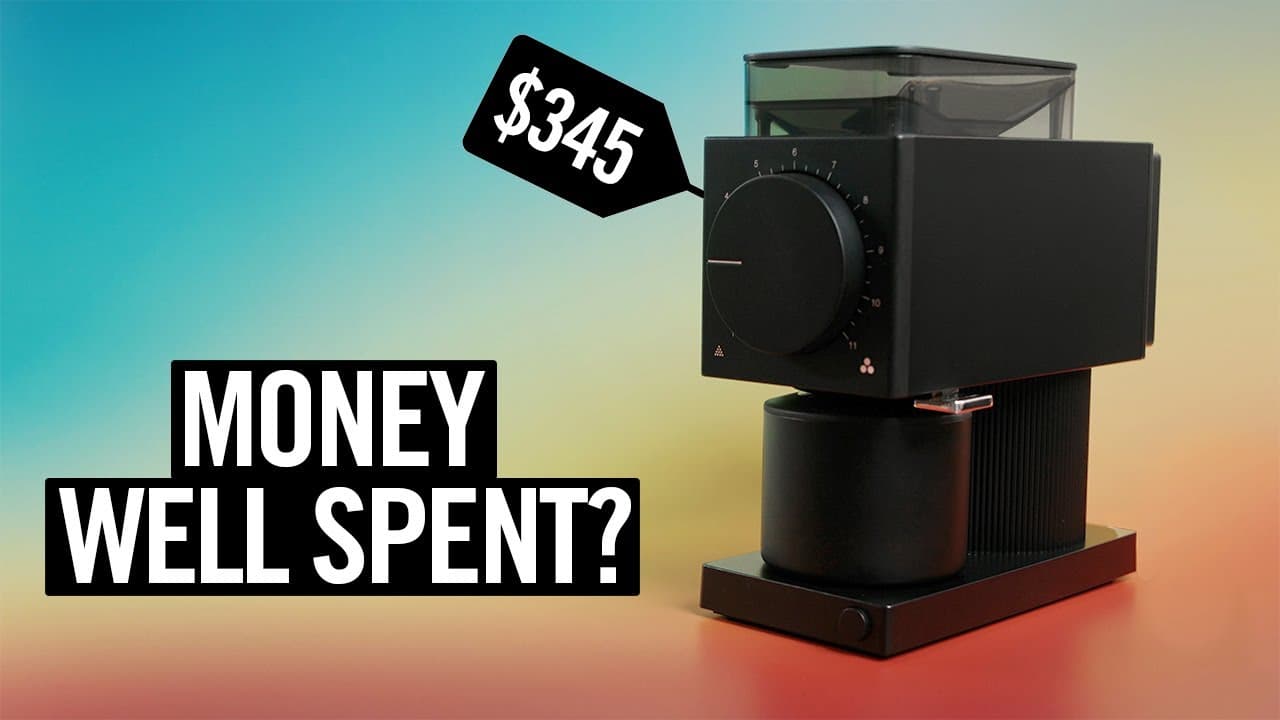
Premium Aesthetics
Features an elegant, minimalist design with high-quality materials that complement modern kitchen aesthetics and feel substantial during use.
- LPRO
Low Coffee Retention
The single-dose design with knock-to-release feature minimizes coffee retention, ensuring each cup uses freshly ground beans without stale leftovers.
- CPRO
Superior Grind Quality
The 64mm SSP flat burrs deliver outstanding grind uniformity and particle distribution, resulting in exceptionally clean and nuanced pour-over coffee.
Cons
- SCON
High Price Point
The premium price tag places it out of reach for casual coffee drinkers who may not fully appreciate its specialized pour-over capabilities.
- PCON
Limited Espresso Capability
Designed specifically for filter coffee methods, the grind range does not extend fine enough for optimal espresso extraction.
Pros
- NPRO
High Bean Storage
The 450g hopper capacity reduces the frequency of refilling, making it convenient for households with multiple coffee drinkers.
- LPRO
Programmable Dosing
Features an integrated dosing timer that can be programmed for precise amounts, ensuring consistent coffee doses for each brewing session.
- CPRO
Extensive Grind Adjustability
Offers 60 grind settings providing precise control over particle size, accommodating everything from espresso to cold brew with fine-tuned adjustments.
Cons
- SCON
Steeper Learning Curve
The multiple features and settings can be overwhelming for beginners who simply want to grind coffee without extensive customization.
- PCON
Moderate Grind Uniformity
While adequate for most home users, the grind consistency does not match more specialized grinders in the same price range.
Frequently Asked Questions
Burr grinders use two abrasive surfaces (burrs) to crush coffee beans to a uniform size, resulting in consistent extraction and better-tasting coffee. Blade grinders use spinning blades that chop beans unevenly, creating a mix of fine powder and larger chunks that extract at different rates, often producing bitter or weak coffee. For quality coffee, burr grinders are strongly recommended.
Yes, grind size significantly affects extraction. Espresso requires a fine grind (similar to table salt), pour-over and drip coffee need a medium grind (like sea salt), while French press requires a coarse grind (like raw sugar). Using the wrong grind size results in over-extraction (bitter) or under-extraction (sour) coffee. Investing in a grinder with adjustable settings allows you to optimize for any brewing method.
It depends on your priorities. Electric grinders offer convenience and speed, grinding enough coffee for multiple cups in seconds. Manual grinders are more affordable, portable, and quieter, but require physical effort and time. For daily home use, electric grinders are typically more practical. Manual grinders excel for travel, camping, or budget-conscious coffee enthusiasts who appreciate the ritual.
Entry-level burr grinders start around $40-100 and work well for drip coffee and French press. Mid-range grinders ($100-250) offer better consistency and more grind settings, suitable for most brewing methods including entry-level espresso. Premium grinders ($250-500+) provide exceptional consistency for demanding espresso machines and discerning palates. The grinder is often considered more important than the coffee maker for flavor quality.
Regular maintenance extends grinder life and prevents stale coffee oils from affecting flavor. Weekly, brush out retained grounds from the burr chamber using the included brush or a stiff paintbrush. Monthly, run grinder cleaning tablets or uncooked rice through the grinder to absorb oils. Every few months, deep clean by removing burrs and washing with warm soapy water (ensure completely dry before reassembly). Avoid water on electric components.